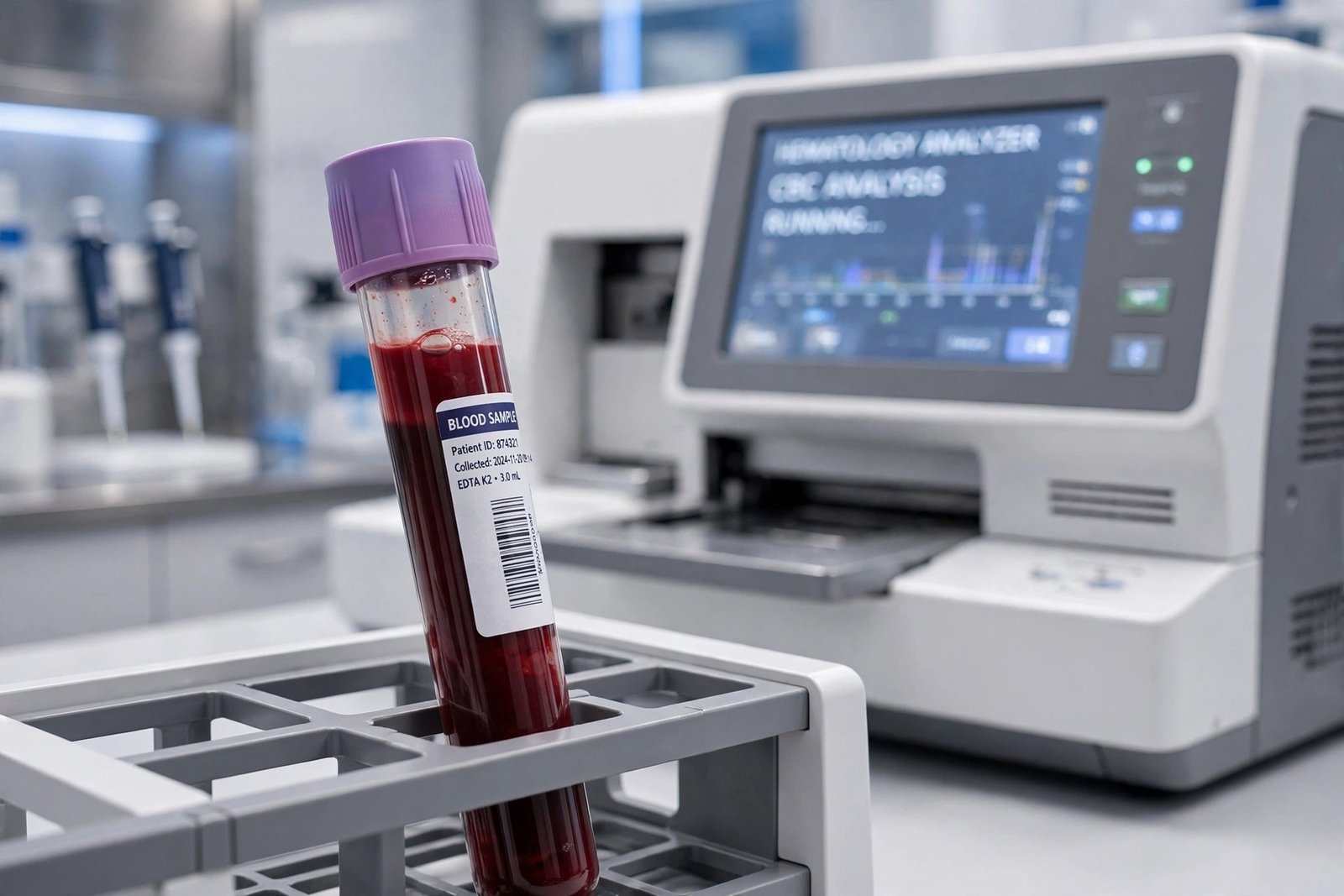
If your doctor has ever asked you to get routine bloodwork done, chances are you've had a cbc test. It’s one of the most common lab tests in the world, and for good reason.
One blood draw can show signs of infection or anemia. It can also detect immune disorders and some cancers. It often finds issues before symptoms become serious. If you are looking to find the cbc test price or looking for a comprehensive health review, this test is the ultimate baseline.
Yet many patients receive their cbc report and have no idea what the numbers actually mean. What is a "normal" white blood cell count? Why does hemoglobin matter? Should you be worried if one value is slightly out of range? When you inquire about cbc blood test price, understanding its clinical utility is key.
This guide breaks down everything you need to know about the cbc blood test — from its full form and purpose to normal ranges, what abnormal results might indicate, and how to prepare for the test — in plain, easy-to-understand language. We will also guide you on how to check cbc test cost and get it done in the comfort of your home.
What Is a CBC Test?
CBC full form stands for Complete Blood Count. It is a routine diagnostic blood test that measures the different cellular components of your blood, giving doctors a broad snapshot of your overall health.
In simple terms, the cbc test means a laboratory analysis of the blood cells circulating in your body — how many there are, how large they are, and how they compare to healthy reference ranges. Whether you are looking up the cbc charges or booking a regular physical, it remains incredibly crucial.
It's often one of the first tests ordered during an annual physical, before surgery, or when a patient reports unexplained fatigue, fever, bruising, or weakness.
Why Is a CBC Blood Test Done?
Doctors order a cbc blood test for several reasons, including:
- Routine health screening — as part of an annual check-up
- Diagnosing symptoms such as fatigue, fever, weakness, dizziness, or unexplained bruising
- Monitoring existing conditions like anemia, infections, or blood disorders
- Pre-surgical evaluation to check clotting ability and infection risk
- Tracking treatment response during chemotherapy or other long-term therapies
- Pregnancy monitoring to detect anemia or infection risk in expecting mothers
Because it's quick, affordable, and non-invasive, the CBC is often the starting point for further diagnostic investigation if something appears abnormal. Patients looking for a complete blood test will find this included in almost all panels.
CBC Blood Test Normal Range
One of the most searched questions patients have is: "What is the normal blood count?" Reference ranges can vary slightly between labs, but the commonly accepted cbc blood test normal range for healthy adults is as follows:
| Component | Normal Range (Male) | Normal Range (Female) | What It Measures |
|---|---|---|---|
| Red Blood Cells (RBC) | 4.7–6.1 million cells/mcL | 4.2–5.4 million cells/mcL | Oxygen-carrying cells |
| Hemoglobin (Hb) | 13.8–17.2 g/dL | 12.1–15.1 g/dL | Oxygen-binding protein |
| Hematocrit (Hct) | 40.7%–50.3% | 36.1%–44.3% | Percentage of blood that is RBCs |
| White Blood Cells (WBC) | 4,500–11,000 cells/mcL | Infection-fighting cells | |
| Platelets (Plt) | 150,000–450,000 cells/mcL | Blood clotting cells | |
Note: These figures represent a general normal blood count range. Actual reference values differ slightly by laboratory, testing method, age, altitude, hydration status, and pregnancy. Always interpret your results using the reference range printed on your specific lab report, and discuss them with your physician. If you are comparing cbc cost in india, you will find our rates extremely competitive and transparent.
Normal CBC Range in Children and Pregnancy
Children and pregnant women have different baseline values compared to adults:
- Children: WBC typically 5,000–10,000 cells/µL; hemoglobin around 11–13.5 g/dL
- Pregnancy: WBC can rise to 6,000–16,000 cells/µL due to natural immune changes; hemoglobin often runs lower (11–14 g/dL) due to increased blood volume
This is why age- and condition-specific reference ranges matter — a value considered abnormal in a non-pregnant adult may be entirely normal during pregnancy.
How to Read Your CBC Report
High White Blood Cell Count (Leukocytosis)
An elevated WBC count often signals the body is fighting an infection, inflammation, or stress response. In some cases, it can also point to more serious conditions like leukemia, which is why persistently high counts should always be evaluated further through a professional cbc report review.
Low White Blood Cell Count (Leukopenia)
A low WBC count may suggest a weakened immune system, viral infection, autoimmune disease, or bone marrow issues, and can increase vulnerability to infections.
High or Low Red Blood Cells and Hemoglobin
- Low RBC/hemoglobin usually indicates anemia, which can result from iron deficiency, vitamin B12 or folate deficiency, chronic disease, or blood loss.
- High RBC/hemoglobin may occur with dehydration, smoking, lung disease, or living at high altitude, where the body produces more red cells to compensate for lower oxygen levels.
Abnormal Platelet Count
- Low platelets (thrombocytopenia) can increase the risk of excessive bleeding or bruising.
- High platelets (thrombocytosis) can raise the risk of abnormal blood clotting.
Why Context Matters
A single abnormal value on a cbc report is not automatically a diagnosis. Doctors interpret CBC results alongside your symptoms, medical history, and sometimes additional tests to arrive at an accurate conclusion.
Symptoms That May Prompt a CBC Test
Your doctor may recommend a complete blood count test if you experience:
- Persistent fatigue or weakness
- Unexplained fever or frequent infections
- Pale skin or shortness of breath
- Unusual bruising or prolonged bleeding
- Dizziness or lightheadedness
- Unexplained weight loss
How to Prepare for a CBC Test
The good news: a cbc test generally requires no special preparation.
- Fasting is usually not required, unless the CBC is being done alongside other tests like a lipid or glucose panel.
- Wear loose-sleeved clothing for easy blood draw access.
- Inform the technician about any medications or supplements you're taking, as some can mildly affect results.
- The procedure itself takes only a few minutes, with results typically available within a few hours to a day.
Benefits of Getting Regular CBC Tests
- Early detection of infections, anemia, and blood disorders before symptoms worsen
- Ongoing monitoring for patients with chronic illnesses or undergoing treatment
- Simple and affordable — one of the most cost-effective diagnostic tools available
- Fast turnaround — results are usually ready within a day
- Comprehensive insight into immune function, oxygen-carrying capacity, and clotting health from a single sample
Risks and Limitations
A cbc test is extremely safe. The only minor risks are typical of any blood draw — slight bruising, brief discomfort, or lightheadedness at the puncture site. There is no radiation or invasive procedure involved.
However, it's important to understand that a CBC alone cannot diagnose a specific disease. It flags abnormalities that may require follow-up tests, such as a peripheral blood smear, iron studies, or bone marrow examination, for a definitive diagnosis.
Book Your Complete Blood Count at Home
Hassle-free blood sample collection from your home or office. Get fast, reliable, NABL-certified digital reports.
FAQs About the CBC Test
Conclusion
The cbc test is far more than a routine formality — it's a window into your body's overall health. From catching early signs of anemia and infection to monitoring chronic conditions, the complete blood count remains one of the most valuable and accessible diagnostic tools in modern medicine.
Understanding your cbc blood test normal range and knowing what your numbers mean empowers you to have more informed conversations with your doctor and take proactive control of your health. To know more about cbc charges, panels, and home collection options, reach out to Hope Imaging & Diagnostics today.